
Meta Ads for Coaching Institutes: A Practical Lead Generation Guide
Parents and students in your city are on Facebook and Instagram every day, long before they walk into a coaching centre. Meta ads for coaching institutes put your batches in front of them at the right moment. Many institutes still lose money by boosting posts, collecting random enquiries and calling leads days later.
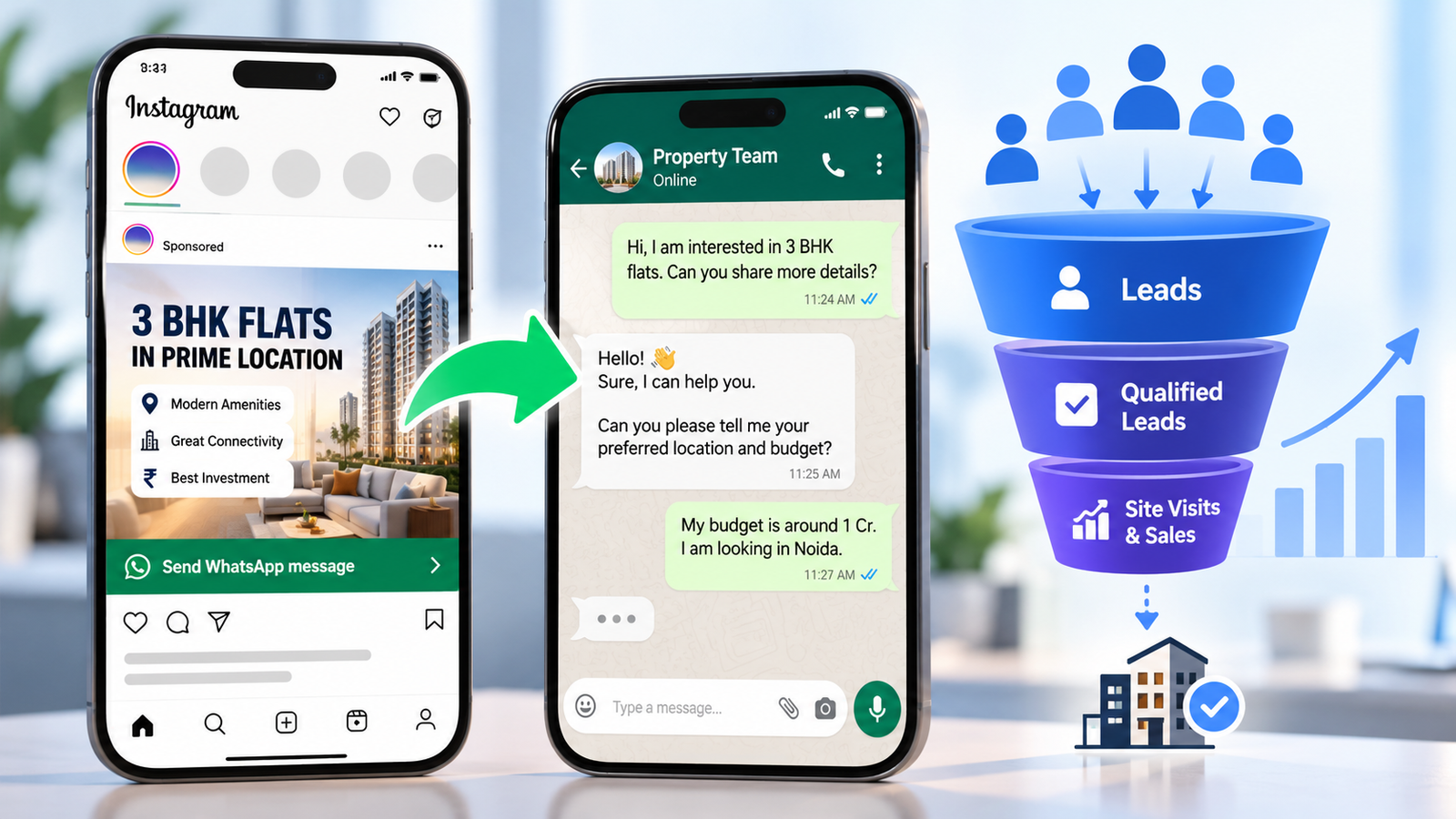
The short answer: Meta ads work for coaching institutes when you treat them as an admissions funnel, not a visibility tool. The funnel is: a targeted ad, then a simple lead capture (instant form, landing page or WhatsApp), then a call within minutes, then a demo class, then admission. Judge success by cost per admission, not just cost per lead.
This guide shows you how to set that up, what to budget in INR, and what rules to follow.
Why Meta Ads Work for Coaching Institutes
Coaching is a local, trust-driven, seasonal business. Meta’s platforms suit that for three reasons:
- Local reach: You can target families within a few kilometres of your centre, or across a city for online batches.
- Visual proof: Faculty introductions, classroom videos, and demo sessions build trust faster than text.
- Built-in lead capture: Instant forms let a parent enquire without leaving Instagram or Facebook.
Meta ads for coaching institutes also work with admission seasons. You can run intensive campaigns before session starts, then reduce spend during quiet months.
Check the Rules Before You Run Any Ads
Compliance matters more for coaching than for most industries. The Ministry of Education’s 2024 guidelines say coaching centres cannot make misleading promises or guarantee ranks or good marks. They also bar misleading advertisements about the quality of coaching, facilities offered, or results. Because education is a state subject, enforcement varies, but your ads should follow these principles anyway. You can read the Ministry of Education guidelines (PDF) directly. careers360thestatesman
Practical rules for your creatives:
- Never promise “100% selection,” a guaranteed rank or guaranteed marks.
- If you show toppers, state the exam, year and whether the student took a full course or a short programme. Only use results you can document.
- Keep fees, batch duration and faculty qualifications accurate and easy to find on your website.
- Target parents (18+) for school-age students, and review Meta’s current advertising policies on minors. I could not verify the exact details, so confirm them before launch.
- If you collect student data, be transparent about its use. Check how India’s data protection law applies to your forms, especially where children’s data is involved.
Step-by-Step: Setting Up Meta Ads for Coaching Institutes
1. Define one admission goal
Pick a measurable target, such as “20 new admissions for the JEE foundation batch starting in April.” Everything else follows from this number.
2. Build a clear offer
“Join our classes” is weak. Better offers are specific and low-risk:
- Free demo class or counselling session
- Free diagnostic or scholarship test (only if you actually run one)
- Limited-seat batch with a clear start date
3. Choose the right audience
- Parents (25–50): Best for Class 6–12 admissions. Use geographic targeting around your centre.
- Students (18+): Best for competitive exams, UPSC, CA, language or skill courses.
- Broad targeting with strong creative: Meta’s delivery system often finds buyers when your ad message is clear. Test it against interest-based audiences instead of assuming one approach wins.
4. Pick the campaign objective
For enquiries, choose the Leads objective in Meta Ads Manager. Meta’s lead ads let people send details inside the app. According to Meta’s own documentation, instant forms come in two types, More Volume and Higher Intent. More Volume gets more submissions, while Higher Intent adds friction so fewer but more serious people submit. For coaching, Higher Intent is usually worth testing, because admission teams care about quality. growwithsakib
5. Create ad creatives that build trust
Rotate three types:
- Faculty video (20–30 sec): The teacher explains one concept or one common exam mistake.
- Parent-concern ad: “Is your child’s board exam preparation on track? Book a free counselling session.”
- Demo class promotion: Show batch timing, seat availability and how to book.
6. Choose your lead capture method
| Method | Best for | Trade-off |
|---|---|---|
| Instant form | Fast testing, mobile users | Can bring lower-intent leads, so add qualifying questions |
| Landing page | Detailed courses, higher-fee programmes | Needs a fast, mobile-friendly page |
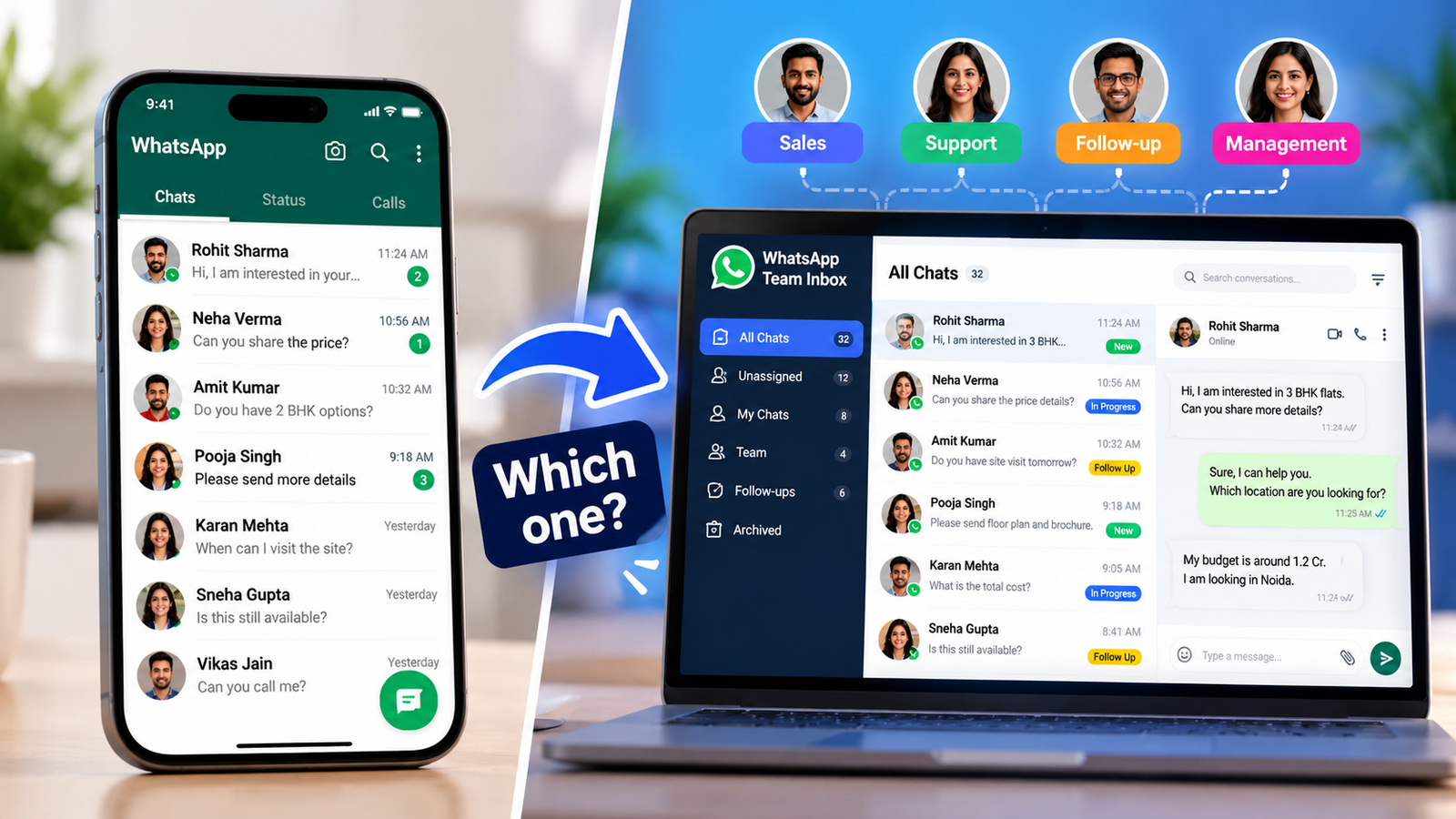
| WhatsApp click-to-message | Parents who prefer chatting | Needs someone to reply quickly |
If you don’t have a good page yet, a conversion-focused website is often the highest-return upgrade you can make.
7. Add 2–3 qualifying questions
In your form, ask: Which class is the student in? Which exam or subject? When do you want to start? These filter out casual clicks. Meta’s guidance notes that an instant form can hold up to 15 questions, but shorter forms usually convert better, so keep it to what your counsellor truly needs.
8. Set up tracking
Use UTM parameters or campaign names that show which ad produced which lead. Record every lead’s status in a sheet or CRM: contacted, demo booked, attended, admitted. Without this, you cannot calculate cost per admission.
How Much Should You Spend? (Budget Planning in INR)
There is no universal cost per lead in India, because it varies by city, course, season and creative. Instead of trusting generic benchmarks, work backwards from your goal.
Formula: Required enquiries = target admissions ÷ enquiry-to-admission rate. Budget = required enquiries × your cost per lead.
Illustrative example (assumed numbers, not benchmarks):
| Item | Assumed value |
|---|---|
| Target admissions | 15 |
| Enquiry-to-admission rate | 8% |
| Enquiries needed | about 188 |
| Cost per lead (assumed) | ₹300 |
| Ad budget needed | about ₹56,400 |
| Cost per admission | about ₹3,760 |
Replace these with your own numbers after the first test month. Also compare the cost per admission to the fee you earn. A ₹3,760 acquisition cost on a ₹60,000 annual course looks very different from the same cost on a ₹6,000 workshop.
Remember that your ad spend, paid to Meta, is separate from an agency’s management fee. ICONICMONEY lists plans from ₹5,999/month on its site. Confirm what each plan includes before you compare.
The Follow-Up Playbook: Where Most Institutes Lose Admissions
Strong ads can still fail if enquiries sit unanswered. Build a simple process:
- Call quickly. Aim for minutes, not days. Decide who is responsible for each lead.
- Send a WhatsApp message right after the call with batch details and demo timing.
- Book a demo or counselling slot instead of quoting fees on the first call.
- Follow up 2–3 times across a week before marking a lead cold.
- Record the outcome so you can compare campaigns by admissions.
Common Mistakes to Avoid
- Boosting posts instead of building a lead campaign
- Making guarantee claims that break advertising rules
- Running one creative and calling the test a failure
- Targeting too narrowly, which raises costs
- Judging only by cost per lead
- Sending traffic to a slow or confusing website
- Changing campaigns every day before Meta’s system has enough data to learn
Metrics That Actually Matter
| Metric | Why it matters |
|---|---|
| Cost per lead | Early signal, but not the final goal |
| Lead-to-demo rate | Shows lead quality |
| Demo-to-admission rate | Shows counselling and offer strength |
| Cost per admission | Your real acquisition cost |
| Lead response time | Often the hidden cause of poor results |
Realistic Expectations
Plan the first 3–4 weeks as a testing period. You will learn which audience, creative and form combination produces admissions. Results depend on your city, fees, brand reputation, seasonality and how fast your team follows up. No agency can honestly guarantee a specific number of admissions.
Need help with generating student admissions from Meta ads?
ICONICMONEY helps businesses improve their digital marketing through Meta Ads management and lead generation services. Get in touch to discuss your goals and explore a strategy suited to your institute.
CTA Button Text: Request a Free Audit
Final Thoughts
Meta ads for coaching institutes work best when the whole admissions journey is designed: a compliant offer, a trust-building creative, a clean lead capture, a fast follow-up and honest tracking. Start with one course and one clear goal. Measure cost per admission, then scale what works.
If you also want students to find you when they search on Google, combine this with Google Ads and local SEO. For more guides like this, visit the ICONICMONEY blog.
D. FAQ section
Do Meta ads work for coaching institutes in India?
Yes, they can, especially for local and online batches. Success depends on your offer, creative, lead quality and follow-up speed, not only on the ads themselves.
What is a good budget for Meta ads for coaching institutes?
Work backwards from your admission target, expected enquiry-to-admission rate and your own cost per lead, as shown in the budget table. Start with a test budget you can afford to learn from, and compare cost per admission with your course fee.
Should I use instant forms or a landing page?
Instant forms are quick to set up and easy for mobile users. Landing pages suit higher-fee courses that need more explanation. Many institutes test both.
Can I promise ranks or results in my ads?
No. The Ministry of Education’s 2024 guidelines prohibit misleading promises and guarantees of ranks or marks. Use only verifiable results and describe them accurately.
How do I get better-quality leads from Facebook ads for coaching classes?
Add qualifying questions, test Higher Intent forms, use clear course and fee context in the ad, and call leads quickly. Tracking admissions by campaign tells you which ads deserve more budget.
How long before Meta ads show results?
You may see enquiries in days, but treat the first 3–4 weeks as testing. Admissions depend on your sales process and your course’s decision cycle.